By Ang Xin Ling and Ethan Liew
Eco-Consciousness is often a topic that many people may be dismissive of or disinterested in, instead many prefer to find something that speaks to their style, while the ethical and environmental impact of their purchase decisions takes the backseat.
Shermaine Ong, 19, a consumer interested in thrifting and one who follows fashion trends, started thrifting with her peers after realising that thrift stores have many unique ‘Pinterest like’ pieces that are hard to get from fast fashion businesses.
Commenting on her thoughts of fast fashion, she noted: “when thrifting, I always think of what looks good, especially since my friends and I tend to have shopping trips together. The environmental part of it is not really my interest currently, but at least I am not purchasing fast fashion as much.” She realised that when following her peers to go shopping, she feels the urge to buy something cool on impulse, though weeks later it only sits awkwardly at the back of her closet, realising it does not fit her taste or style.
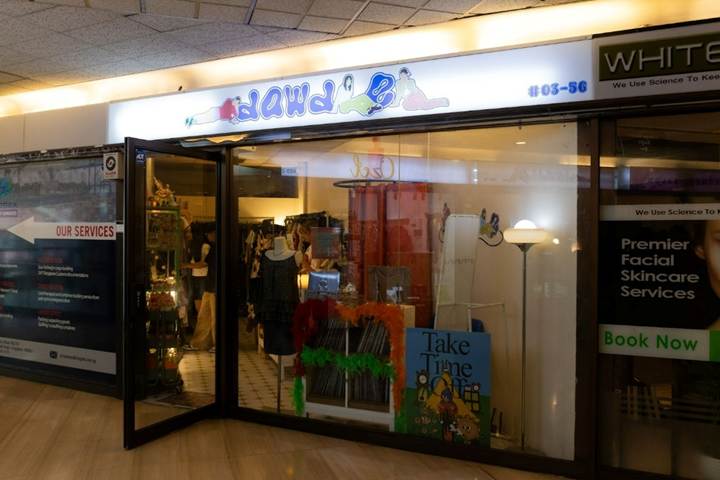
Amanda Lam, a staff member at Dawdle, a thrifting shop, in her 20s, holds a slightly different view from Shermaine. She believes that if we are not environmentally mindful when it comes to thrifting, it would be equally harmful to the environment as fast fashion does due to over purchase of thrift clothes with buyer’s regret following after.
A report by the National Environment Agency (NEA) noted that in 2023, 211,000 tonnes of textile waste were generated, a decrease of 43,000 tonnes compared with the previous year, with the recycling rate staying consistent at 2 per cent. While the amount of waste decreased, this still meant that most of the waste is sent to incineration and landfills, contributing to our worsening landfill space issues and environmental issues.
Advantages and Disadvantages of Fast Fashion
Fast fashion has influenced our daily lifestyle, the way we dress by making clothing more accessible. Walk into any mall in your neighbourhood, and you are almost guaranteed to see a shop or two dedicated to fast fashion. These brands follow and start up trends that help depict the current fashion scenes and standards in Singapore.
Sharing her thoughts, Amanda noted: “Fast fashion becomes the standard of what the majority would wear, and due to the constant flow of trends, people tend to purchase the clothes without second thought.” leading to more textile wastage.
Although fast fashion is affordable and easily accessible, Amanda noted that the outfits she purchased from these brands tend to be of lower quality and had a shorter lifespan compared to her thrifted clothes, many ended up stretching and discolouring.
Amanda said: “Fast fashion decreases self-expression through clothes,” stating that since fast fashion sets the standard of what the majority wears, it is harder to find something personal or expressive.
Motivations Behind Thrifting
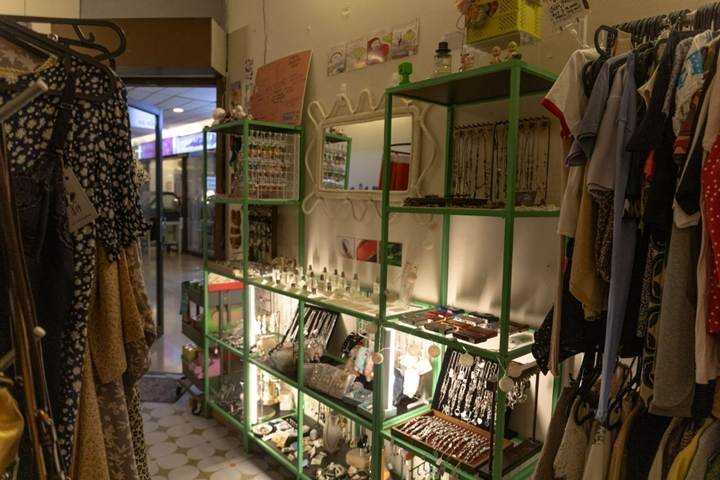
There are many reasons why people choose to thrift, ranging from exploring the aesthetic that suits them, to seeking affordability, or unique or out of production designs. Unlike fast fashion stores, thrift stores support causes such as reducing textile waste by giving love and a new life to vintage or pre-loved items.
Amanda said: “Thrifting is cool and meaningful because you can find unique fits that are not easily found in other places while supporting a circular economy.” Dawdle, the store she works at, was established in 2023 by Dion Lim, is a special thrift store that provides spaces for small businesses to share their handmade pieces.
Some of the items are also handmade by staff. For example, Amanda, a graphic designer who values both materials and fashion, runs her own jewellery business called Makemake.
A 2022 survey done by Milieu, an Asia market research agency, shared their findings when respondents were asked about the number of brand new fashion products they had bought. 41 per cent continued with their overconsumption habits, 31 per cent increased, and 28 per cent decreased in consumption.
This survey highlights that consumers need to be more intentional with their choices. Although thrifting is on the rise, overconsumption remains a problem when people continue to chase trends and fast fashion.
Struggles from a Thrifty Hunt
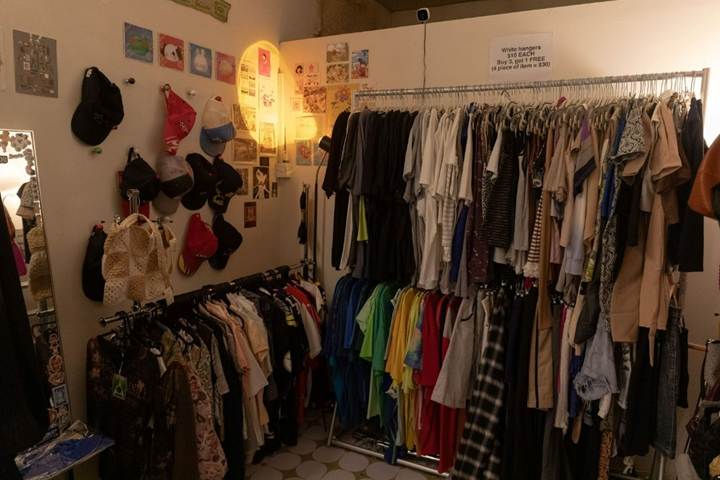
Thrifting often can come with some challenges too, like trying to find a design that matches an outfit. Amanda said: “People would be looking around the store and thinking of the one piece they already had in mind, becoming close minded about other possibilities that may have fit them.” This means that thrifting requires people to be more open minded when going through the aisles of clothes around various stores, because sometimes you may find something that is unexpectedly fitting.
Quality is another challenge when thrifting, since secondhand clothing may show signs of wear and tear. From Amanda’s perspective however, these worn pieces provide opportunities for personalisation, like making the item your own by adding patches, colorful threads, or even cute embroidery. Some thrift stores even customise the thrifted clothes, such as bejeweling jean pockets and adding details to it, making it a creative one of a kind design piece.
She notes that sometimes, many people impulsively thrift clothes, as it is usually hard to find similar pieces elsewhere. This creates a fear of missing out, causing more purchases, leading to buyer’s regret, leading to a similar treatment of how fast fashion is disposed of after its use to the wearer is gone.
Amanda suggests people slow down and understand what truly fits you before purchasing, restating her belief that overpurchasing thrift clothes is equally harmful as purchasing fast fashion.
Encouragement from a Fellow Thrift Consumer
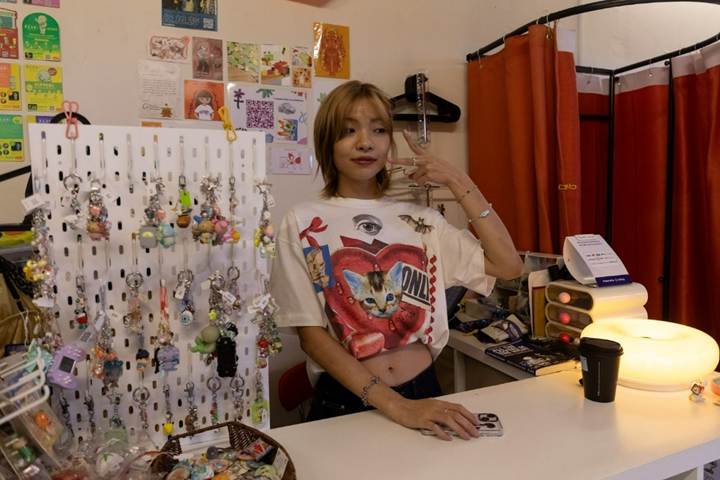
Amanda believes that believing in the journey is more important than the end goal of finding the perfect clothing piece or getting as many cool clothes you can get. She said: “I think people should be more open minded about the thrifting journey as it encourages self exploration, creating meaning to the clothes you wear, as thrifting helps make a difference to the environment.”
Ultimately, the concept of thrifting has always been about giving pre-loved items a new lease of life and decreasing overconsumption, guiding us to be more eco-conscious consumers.
Leave a Reply